It is one of the most common questions in the earthmoving industry, and one that rarely gets a straight answer. Plenty of pages still talk about an excavator licence as though you sit a test or get a driver’s licence, but that’s not usually the case.
In Australia, there is no single national excavator licence for standard earthmoving. The law does still expect a proven level of competency, though. Here is what that means in practice: the genuine exceptions where a High Risk Work Licence does apply, how the rules differ from state to state, and which attachments come into play once you are operating.
Do You Need a Licence to Operate an Excavator?
No, not in the sense most people mean. For standard earthmoving, there is no government-issued excavator licence in Australia. It used to be different: under the old system, there was a Certificate of Competency (the EPC, or excavator certificate), but when the harmonised work health and safety (WHS) laws came in, that formal certificate was removed for general excavator work and replaced with a competency requirement.
So, the rule for operating an excavator on standard earthmoving is competency, not a licence. You need to be trained and able to prove you can operate the machine safely. That applies whether you are running a 1.5 tonne mini excavator or a 30 tonne machine, and it is a safety obligation under WHS law, not a piece of plastic in your wallet.
Because this is a safety and compliance topic that varies by state, treat this article as general information rather than legal advice, and check the current details with Safe Work Australia and your state regulator before you rely on it.
Competency, Tickets and RIIMPO320F
If there is no licence, what do you actually need? Proof of competency. In practice, that usually means formal training through a registered training organisation (RTO) and a Statement of Attainment for the nationally recognised unit RIIMPO320F, Conduct civil construction excavator operations. This is what people are really talking about when they say excavator ticket.
There is also the Verification of Competency, or VOC. A VOC is a check, often done on-site, that confirms you can operate the specific machine competently. Many sites want both: the training and Statement of Attainment to show you have the qualifications, and a VOC to confirm you are competent on their gear.
Here is the part that a lot of operators miss. Under WHS law, the legal duty sits with the PCBU, the person conducting a business or undertaking, usually the employer, contractor or site controller. The PCBU must make sure anyone operating the excavator is competent to do so. Even though there is no licence, you cannot just hand the controls to an untrained person, and an operator should expect to show evidence of training and competency before they start.
When a High Risk Work Licence Is Required
General excavator operation is not high-risk work, which is why it does not need a High Risk Work Licence (HRWL). The exception is when you start using the machine more like a crane.
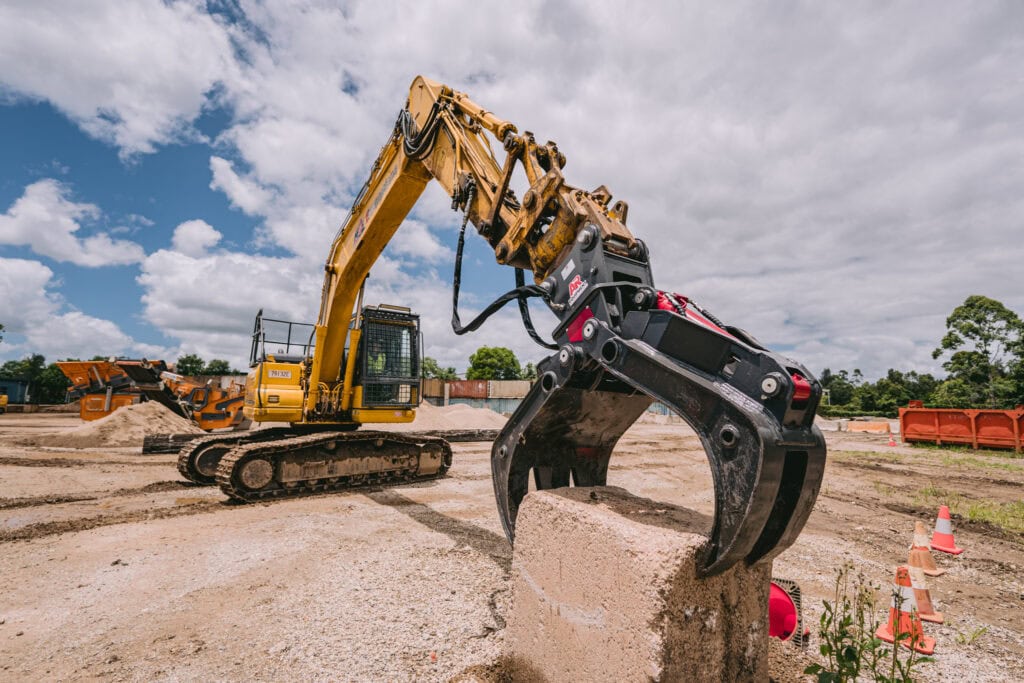
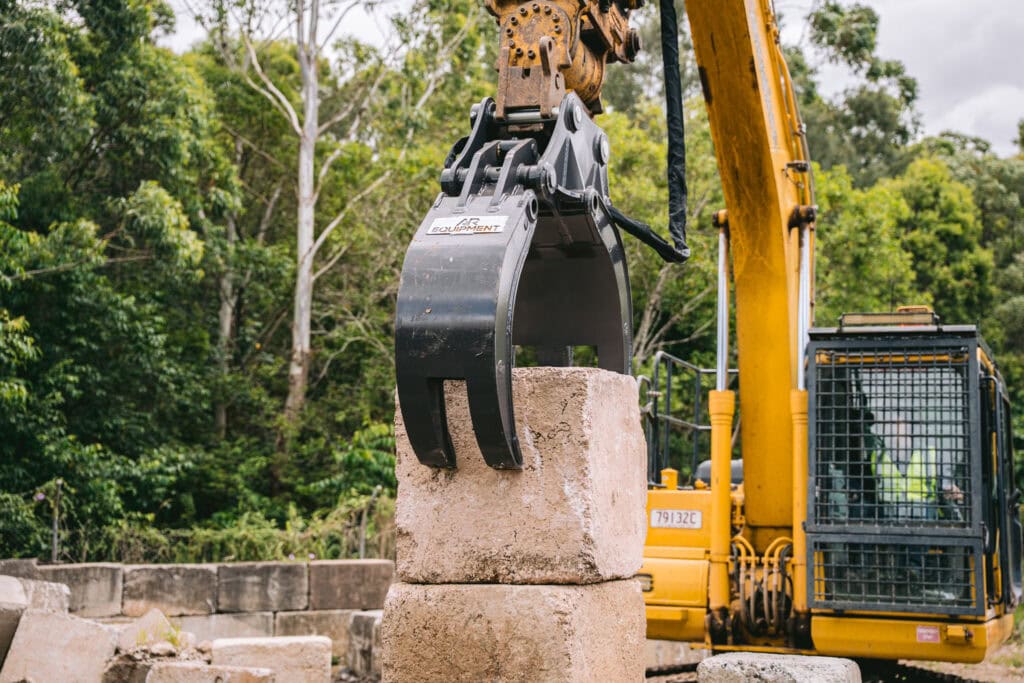
If the excavator is set up to lift and suspend a load, for example, slinging and moving a load on the hook rather than digging, that can move into high-risk work and require an HRWL, in the same way crane work does. There have also been recent changes regarding suspended loads over a certain weight.
The practical takeaway: digging, trenching, loading and general earthmoving sit under the competency rule, while crane-like lifting can bring high-risk work licensing into play. If your work involves suspending loads, check the current rules for your state before you start.
State Differences and Contractor Licensing
WHS law is harmonised across most of Australia, but it is administered state by state, and some states have their own quirks. That is why the safest move is always to check your state regulator and Safe Work Australia for the current position where you are working.
There is also a separate issue people mix up with operating: contractor licensing. Being competent to operate the machine is not the same as being licensed to take on the work as a business. In NSW, for example, excavation carried out as building or trade work over a set value (currently $5,000, including labour and materials) needs a contractor licence, and doing that work unlicensed can carry significant penalties.
And DIY on your own land? If you are operating a mini excavator on your own private property, you are generally not in a workplace, so the WHS competency duty that applies to a PCBU does not apply in the same way. That does not make it safe to jump on with no idea what you are doing, and it does not remove other rules like dial before you dig, council requirements or contractor licensing if you bring someone in to do the work.
Excavator Attachments and What You Can Use
Once you are competent to operate, the attachments are where an excavator earns its keep, and this is where being an attachments specialist comes in. The good news for most operators is that changing attachments does not, on its own, mean a new licence. Running different ground-engaging tools sits under the same competency picture as operating the machine.
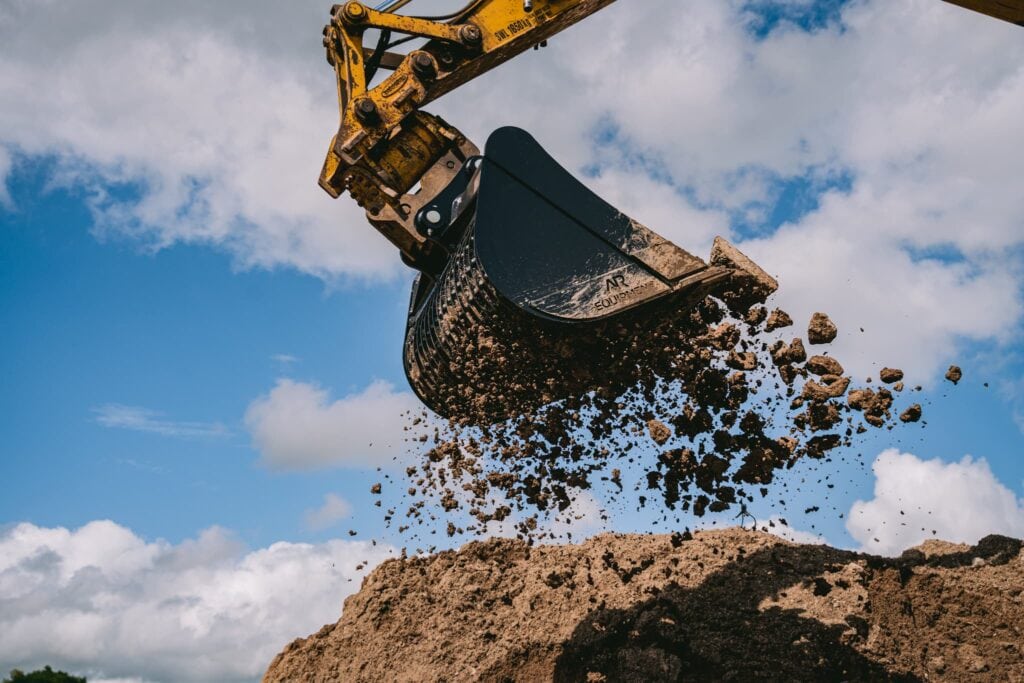
- Buckets: general purpose, trench, mud, sieve and tilt buckets for digging, trenching, grading and sorting. The everyday workhorses.
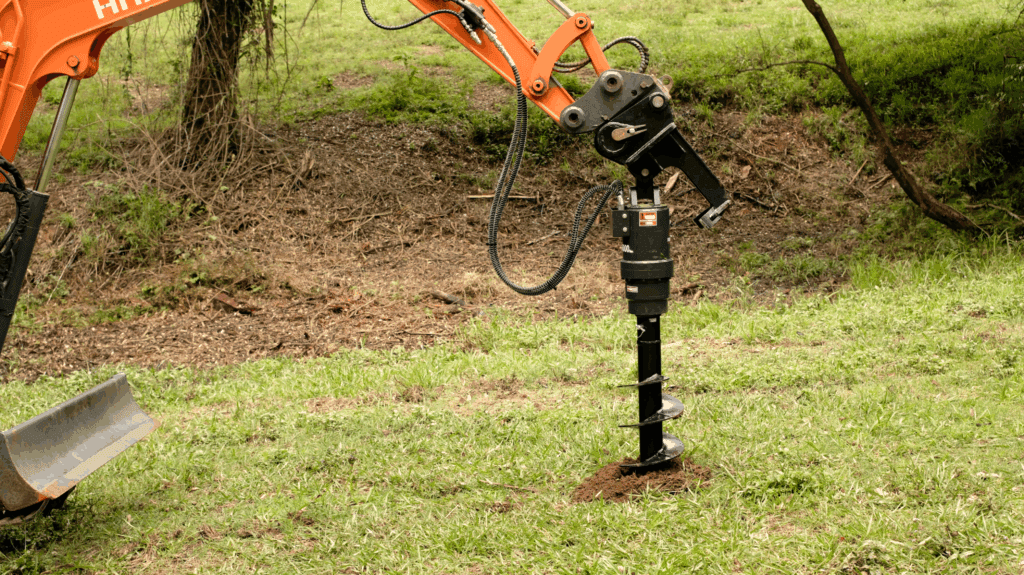
- Augers and auger drives: for fence posts, footings and utility holes, matched to the ground and the hole size.
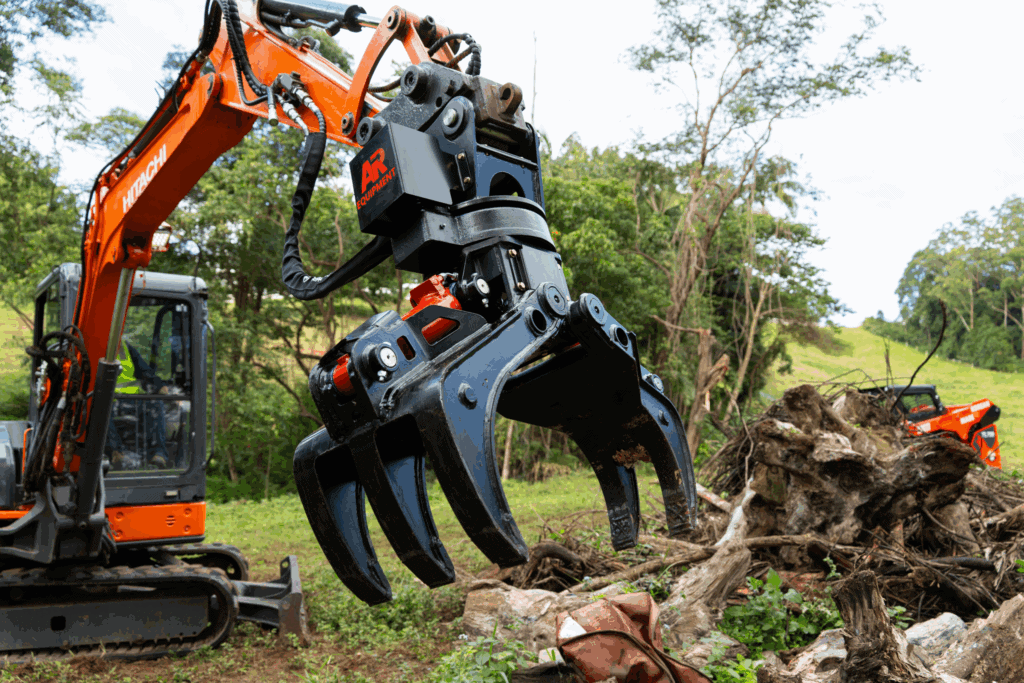
- Grapples and grabs: rotating grabs, demolition grabs and log or rock grabs for demolition, timber and material handling.
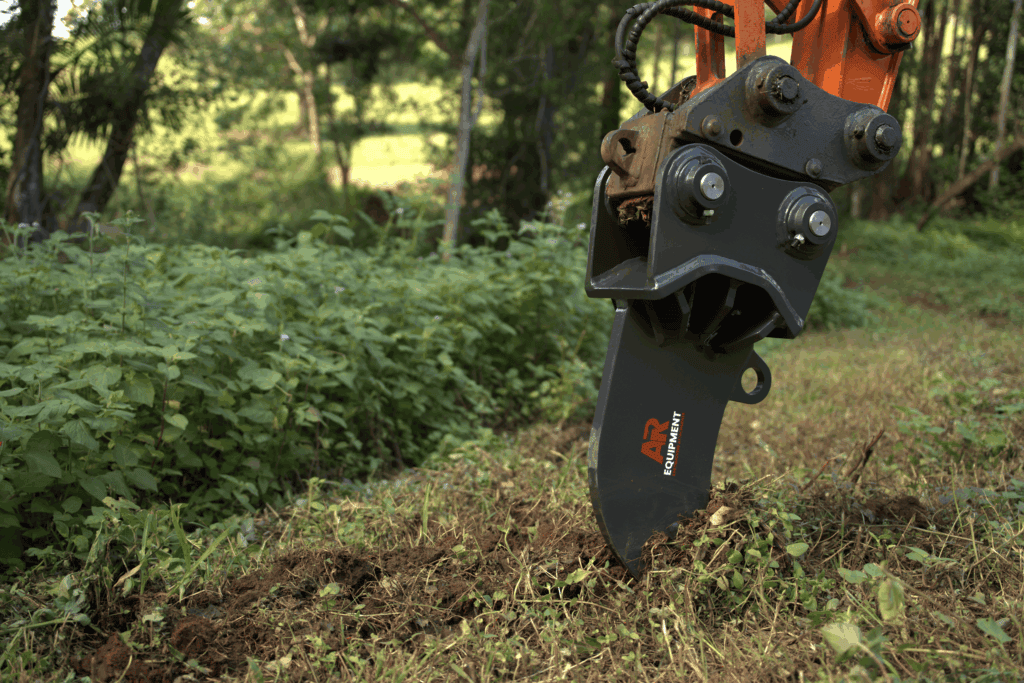
- Rippers and rock breakers: rippers for hard ground and tree roots, and hydraulic hammers (breakers) for rock and concrete.
- Hitches: quick hitches and tilt hitches that let you change attachments quickly and work at an angle without repositioning the machine.
Two things to keep in mind. First, an attachment has to suit your machine’s weight class and hydraulics, which is where matching the fitment to your make and model matters. Second, the moment an attachment is used to lift and suspend a load, you are back in the lifting conversation above, so check whether high-risk work rules apply. As an attachment supplier with a large in-stock range from 1-tonne mini to 40-tonne-plus machines, AR Equipment can match the right tool to your excavator.
Browse the excavator attachments range
Need the right attachment for your machine? Call AR Equipment on 1300 441 121 or request a free quote, and the team will match the fitment to your make, model and weight class.
Frequently Asked Questions
Do you need a licence to operate an excavator in Australia?
No single national excavator licence exists for standard earthmoving. Under WHS law, you need proof of competency, usually training and a Statement of Attainment for RIIMPO320F, and the PCBU (employer or site controller) must make sure operators are competent. A High Risk Work Licence is only needed for specific tasks like lifting suspended loads. Always check your state regulator for the current rules.
What is an excavator ticket?
The excavator ticket is the common name for the qualification you get by completing training through an RTO and receiving a Statement of Attainment for the unit RIIMPO320F, Conduct civil construction excavator operations. It is proof that you have been trained to operate an excavator. It is not a government licence, but it is what most sites and employers will ask to see, often alongside a Verification of Competency.
Do you need a licence to operate a mini excavator?
The same rule applies to a mini excavator as to a larger one: no formal licence, but you do need to be competent, and in a workplace, the PCBU must confirm that competency. On your own private property, the workplace duty does not apply in the same way, but training is still strongly worth having. Size does not change the competency principle, only the machine you are trained on.
When do you need a high-risk work licence for an excavator?
When you use the excavator for crane-like work, such as lifting and suspending a load rather than digging or earthmoving, that can require a High Risk Work Licence, as crane work does, and there have been recent changes around suspended loads over a certain weight. If your work involves lifting suspended loads, confirm the current threshold with Safe Work Australia and your state regulator before you start.
Do you need a separate licence to use excavator attachments?
Generally no. Changing between buckets, augers, grabs, rippers, or breakers does not require a separate licence; it sits under the same competency as operating the machine. The exception is the same as above: if an attachment is used to lift and suspend a load, high-risk work rules can apply. Otherwise, the main thing is making sure the attachment suits your machine’s weight class and hydraulics.
Once you are trained and competent, the right attachments are what get the job done. AR Equipment carries one of Australia’s largest in-stock ranges of excavator attachments for machines ranging from 1 tonne to 40 tonnes and beyond.
Call 1300 441 121 or request a free quote, and the team will match the right fitment to your machine. This article is general information, not legal advice; always confirm current licensing and competency requirements with Safe Work Australia and your state regulator.
About the Author
AR Equipment, Earthmoving attachment specialists, 30+ years across the team
AR Equipment supplies excavators and skid steer attachments to contractors, owner-operators and OEMs across Australia, with more than 30 years of combined experience in earthmoving, demolition and land clearing.